The Interview
Albert Rozin:
In His Own Family’s Words
A conversation with Paul Rozin and Lex Rozin —
Albert’s son and grandson — conducted by Sheila Herrling and René Johnson.
Background
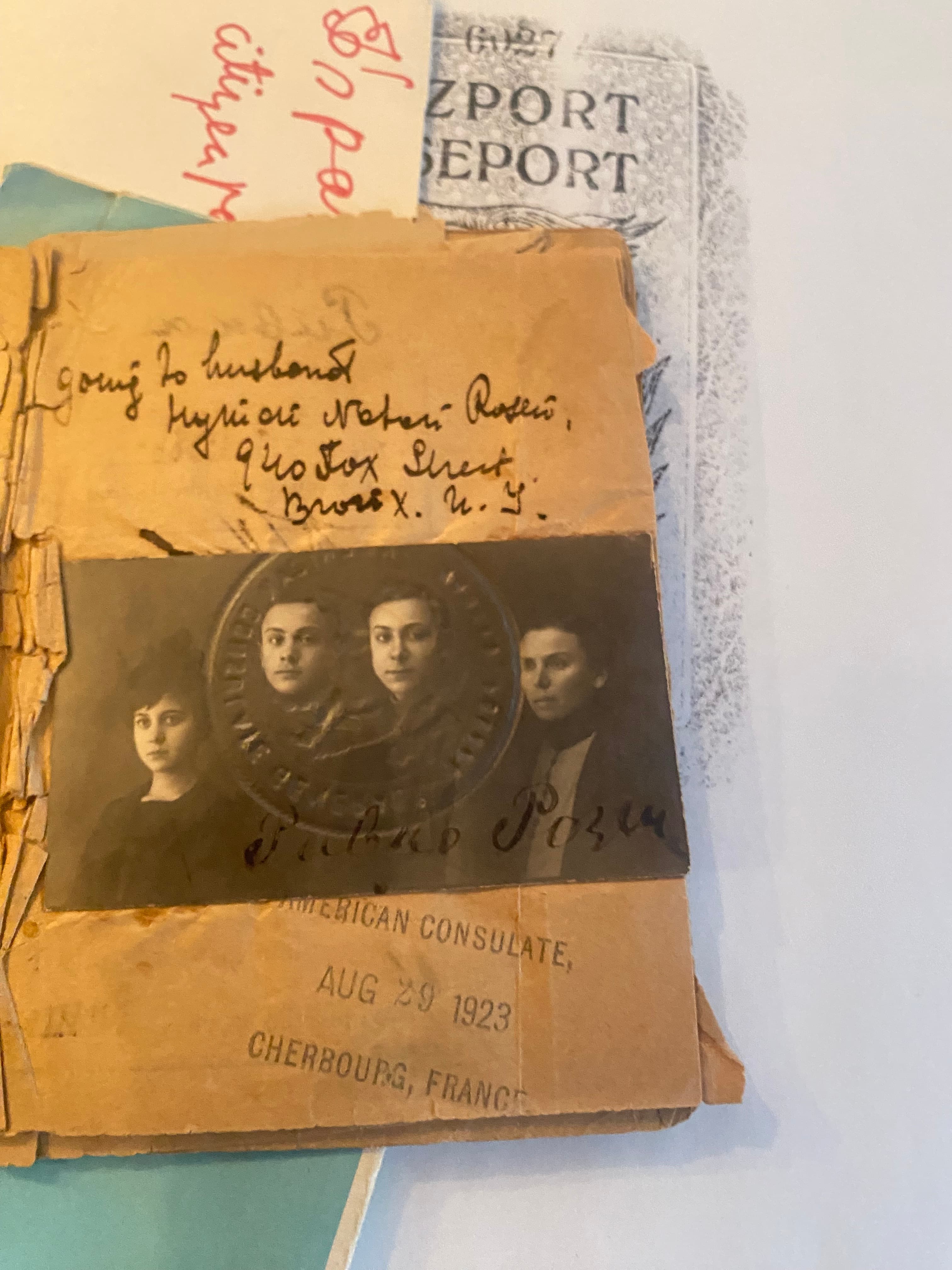
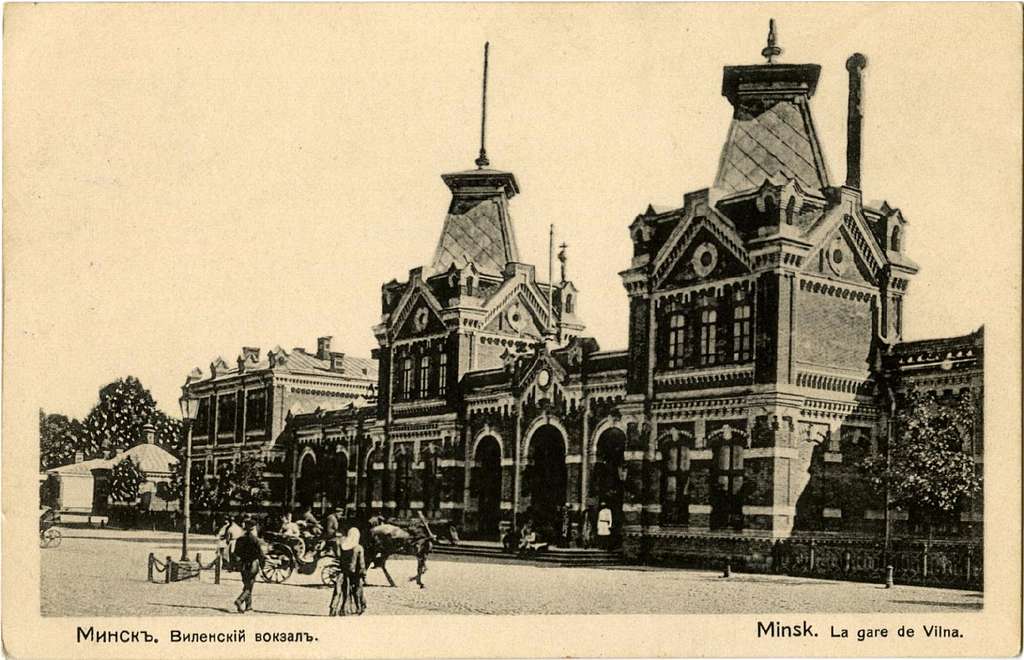
Albert Rozin (1907–1987) was born near Minsk in what is now Belarus and emigrated to the United States in 1923. He spent more than sixty years in Brooklyn as a piano teacher, synagogue organist, and composer of pedagogical music.
He published over 100 compositions across his lifetime — and composed hundreds more that were never released. A box of unpublished manuscripts, discovered in the course of this project, is now available on this site for the first time.
The following interview draws on conversations with his son Paul Rozin and grandson Lex Rozin, conducted by Sheila Herrling and René Johnson.
Q
Where was Albert Rozin from originally?
A
Albert was born around 1907 in Russia — in the area that is now Belarus, near Minsk. He emigrated to the United States in 1923, at about fourteen years old.
Q
What was the emigration like?
A
It was harrowing. The family escaped in a horse-drawn carriage, traveling by night through cold and snowy woods. At one point Albert's mother lost her shoe and had to walk barefoot through the snow. It was that kind of journey. They were fleeing, and they knew it.
Q
What was Albert's family background in music?
A
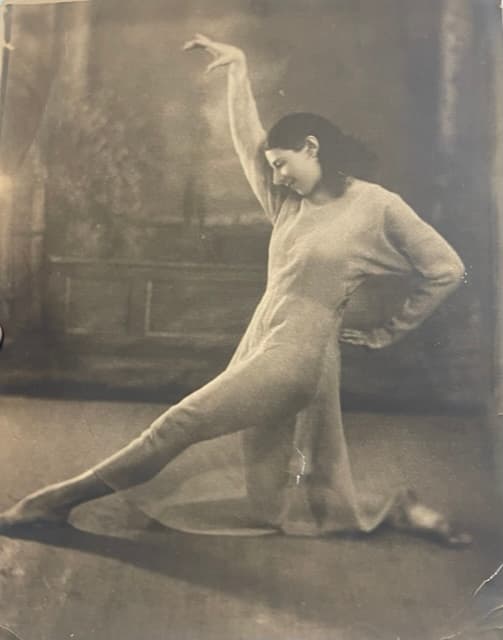
His father was a French horn musician — so music was part of the household from the very beginning. His mother was a dancer and an artist. Albert absorbed all of that. By the time he arrived in America, he already had a deep love for music and a strong sense of who he was as a creative person.
Q
How did he build his career in New York?
A
He settled in Brooklyn and built his life there over decades. He worked as a piano teacher — primarily for beginners and young students — and he served as the organist and choirmaster at Beth Sholom-People's Temple in Brooklyn for many years. He was very much a part of that community.
Q
Tell us about his composing. How prolific was he?
A
Extraordinarily prolific. He wrote hundreds of pieces for children — pieces with titles like "Falling Leaves," "Rush Hour in Rio," "Circus Parade." He believed that titles were everything. He thought a good title set the mood, made the student curious, gave the music a personality. He was very intentional about that. Of all the pieces he composed, only about half were ever published. The rest sat unpublished — including a box of manuscripts we only discovered recently.
Q
What was he like as a person?
A
He was a gentle, kind man, with a great sense of humor. He had a warmth about him — his students adored him. He believed that a lesson should be a joyful experience, that you should never make a child afraid of their teacher. He had his own difficult teacher as a boy — a Russian professor who barely spoke English and never gave him a single compliment — and that shaped him into the opposite kind of teacher.
Q
He wrote about that experience in his articles.
A
Yes, he published several articles in music education journals — Piano Teacher, Music Journal, Clavier Magazine. He wrote openly about what it meant to teach well, to keep students from dropping out, to make music feel like a gift rather than a punishment. In one piece he wrote, "In the long run, a piano bench is preferable to the psychiatrist's couch" — and he meant it for the teacher as well as the student.
Q
What was his home life like?
A
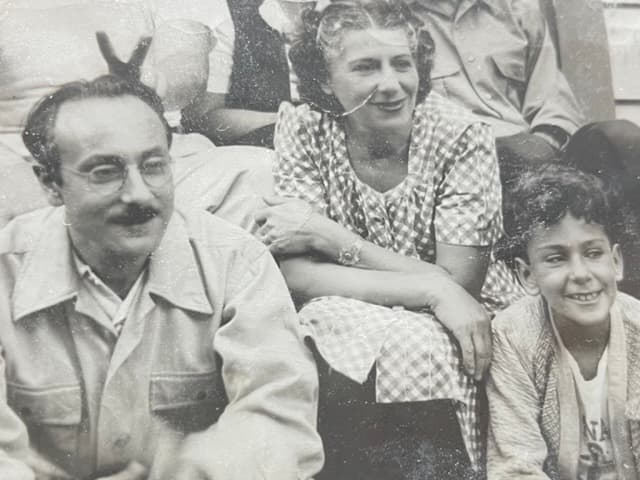
The house had a grand piano and an organ — which tells you something. He and his wife Rosanne, whom he met at a Brooklyn dance studio where he worked as an accompanist, built a home that was full of music and people. Singers, musicians, friends — the house was always alive. He was the kind of man who drew people to him.
Q
How did this project come about — the website and the rediscovery of his work?
A
A piano student named Sheila Herrling was preparing for a recital and became curious about the composer of a piece she was learning — "The Little Concerto." She and her teacher René Johnson started researching and eventually found us. Paul is a retired psychology professor; Lex teaches music theory at West Chester University. When they reached out, it felt like something clicking into place. We'd always known his music was out there being used by teachers all over the country, but there was nothing written about him anywhere. This project felt like a way to correct that.
Q
And then the box was discovered.
A
Yes — that was the wonderful surprise. In the process of going through family materials, a box turned up containing unpublished compositions and other items that none of us knew still existed. Pieces that had never been seen outside the family. Those are now available on this site for the first time. It felt like Albert was offering something new, all these years later.
Q
What do you hope people take away from his music?
A
That he cared deeply about the student on the other side of the page. Every title, every tempo marking, every carefully leveled passage — he was thinking about a real child sitting at a real piano, trying to find their way into music. He wanted that experience to be joyful. And I think when you play his pieces, you can feel that.
Minsk — Albert’s Birthplace